Hovermenü - EN

    National Affairs

    World Heritage as a national responsibility

    National
    Affairs

    Numerous stakeholders in Germany are committed to the protection and preservation of the World Heritage sites situated on the territory of the Federal Republic. The City of Bamberg is involved in the corresponding national working groups and networks. In addition to the promoting the implementation of the UNESCO World Heritage Convention, these working groups and networks foster the exchange of information and expertise in heritage conservation and cultural heritage management.

    Working Group on Bavarian UNESCO World Heritage Sites

    The Working Group of Bavarian UNESCO World Heritage Sites is an association of significant World Heritage Sites in the Free State of Bavaria. The group’s goal is to preserve and further develop the unique cultural and historical values of these sites and to make them accessible to the general public. In doing so, the group focuses intensively on issues related to historic preservation, sustainable tourism concepts, and promoting the concept of World Heritage.

    Key tasks include developing joint strategies for the preservation of World Heritage Sites, coordinating with political decision-makers, and the continuous exchange of experiences and best practices among members. In addition, the Working Group is actively involved in educational and public outreach efforts to raise awareness of Bavaria’s cultural heritage.

    Members of the working group include the World Heritage sites in Bamberg, Regensburg with Stadtamhof, the Wieskirche, the Margravial Opera House in Bayreuth, and the Upper Germanic-Raetian Limes. Through close cooperation, they make an important contribution to the sustainable development and protection of UNESCO World Heritage sites in Bavaria.

    raute-grau-big.png

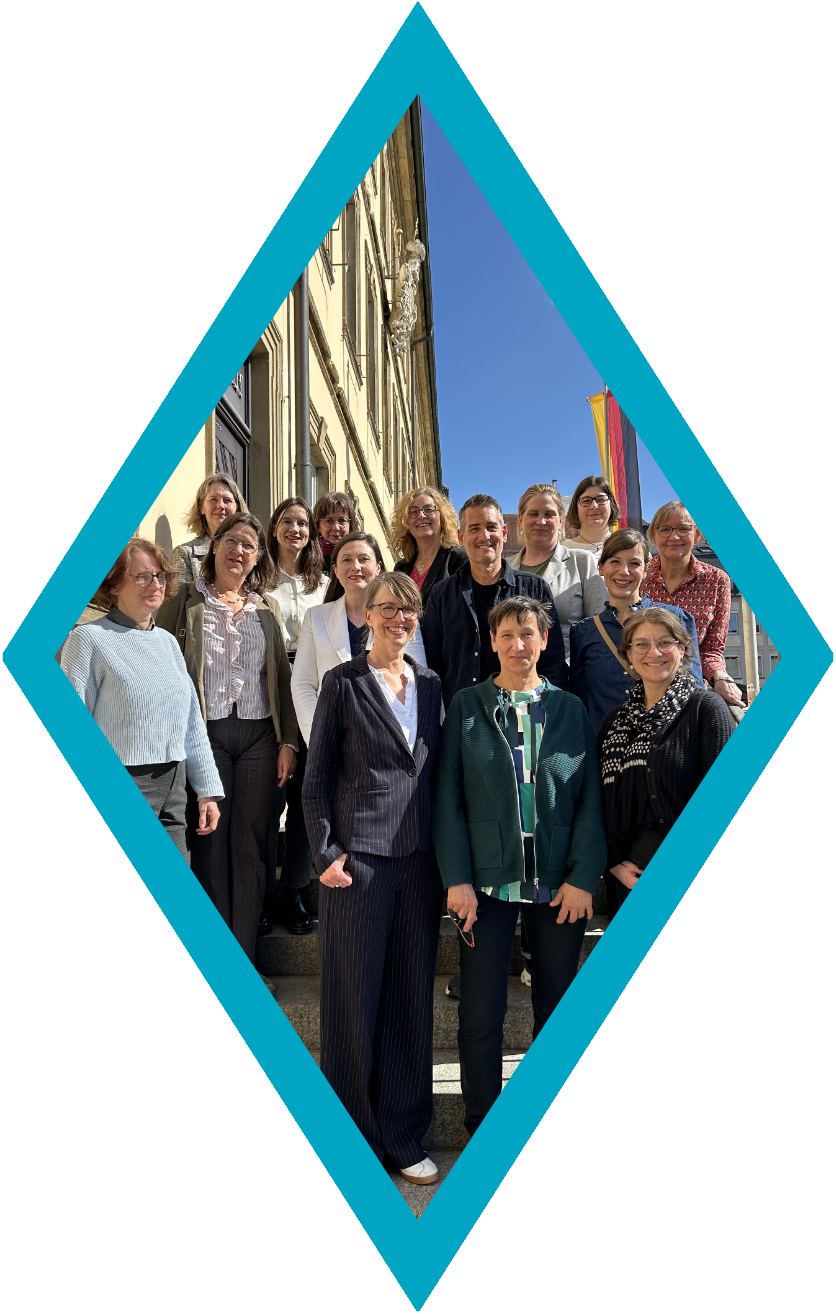
    Working Group on Bavarian UNESCO World Heritage Sites in Bamberg

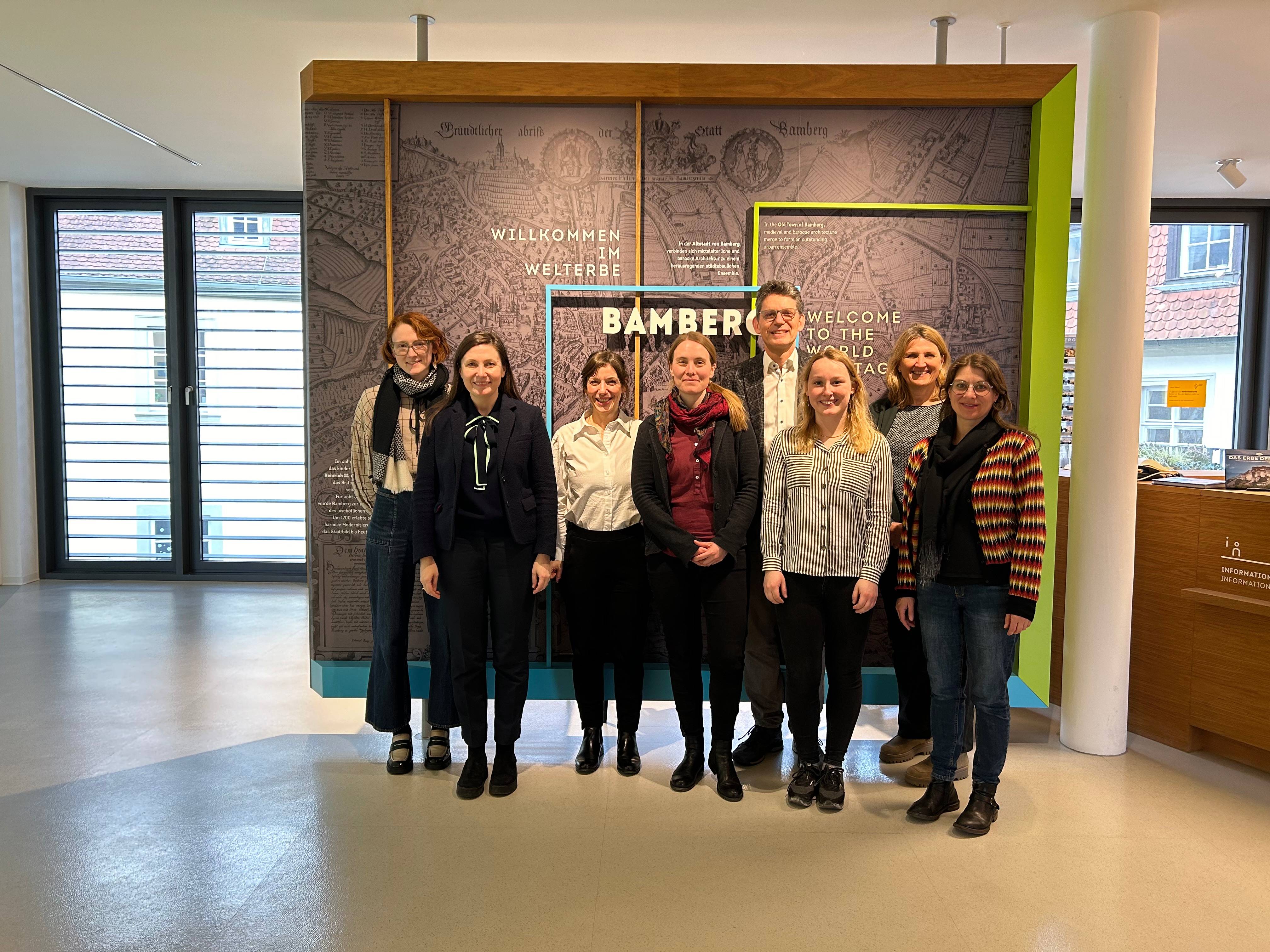
    On March 11, 2025, Bamberg hosted the working group of Bavarian UNESCO World Heritage Sites.

    Representatives from Bavarian World Heritage Sites gathered at the Bamberg World Heritage Center to discuss current issues related to World Heritage management and outreach. The focus was on topics such as renewable energy, the balance between use and conservation, and contemporary outreach strategies, particularly for young audiences.

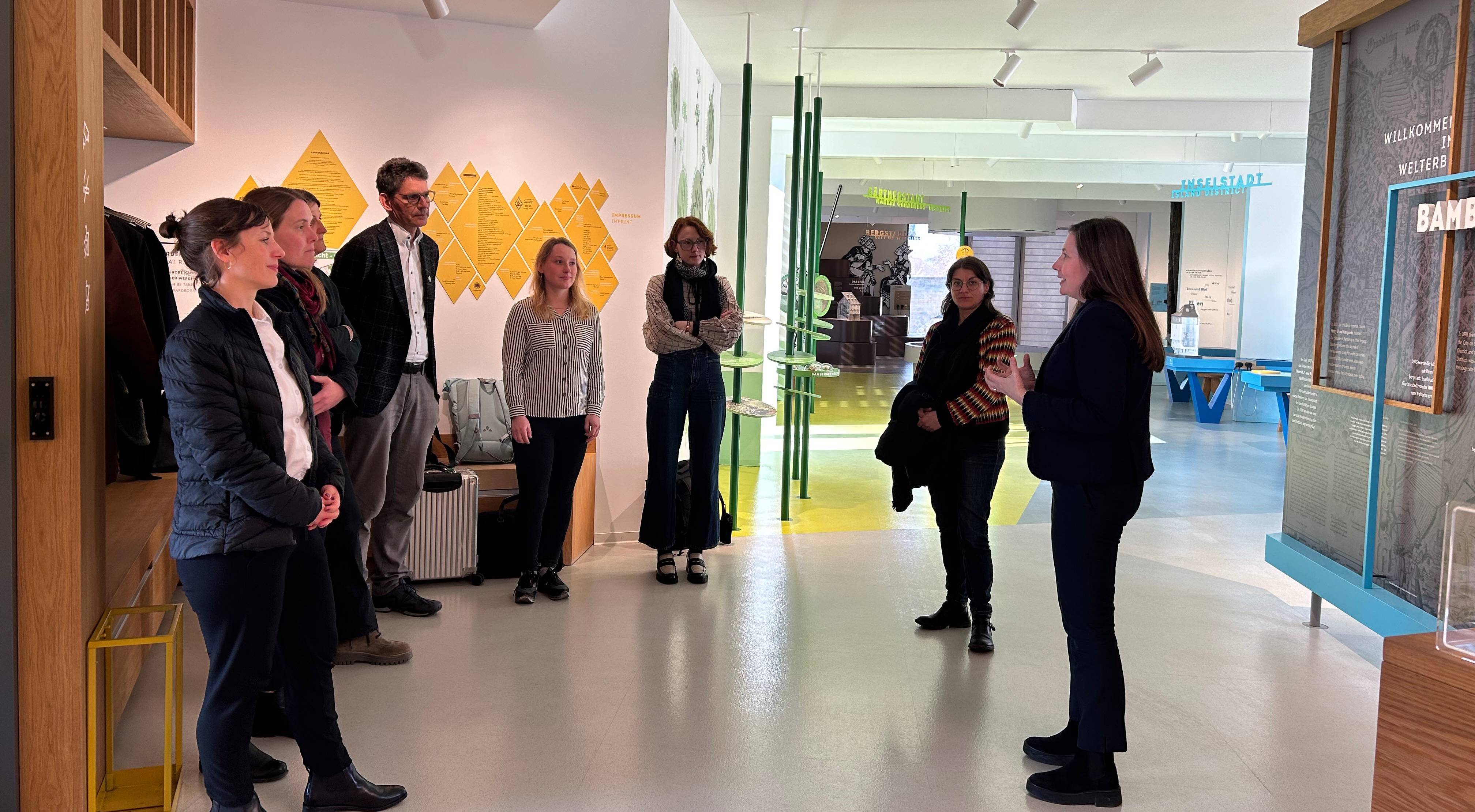
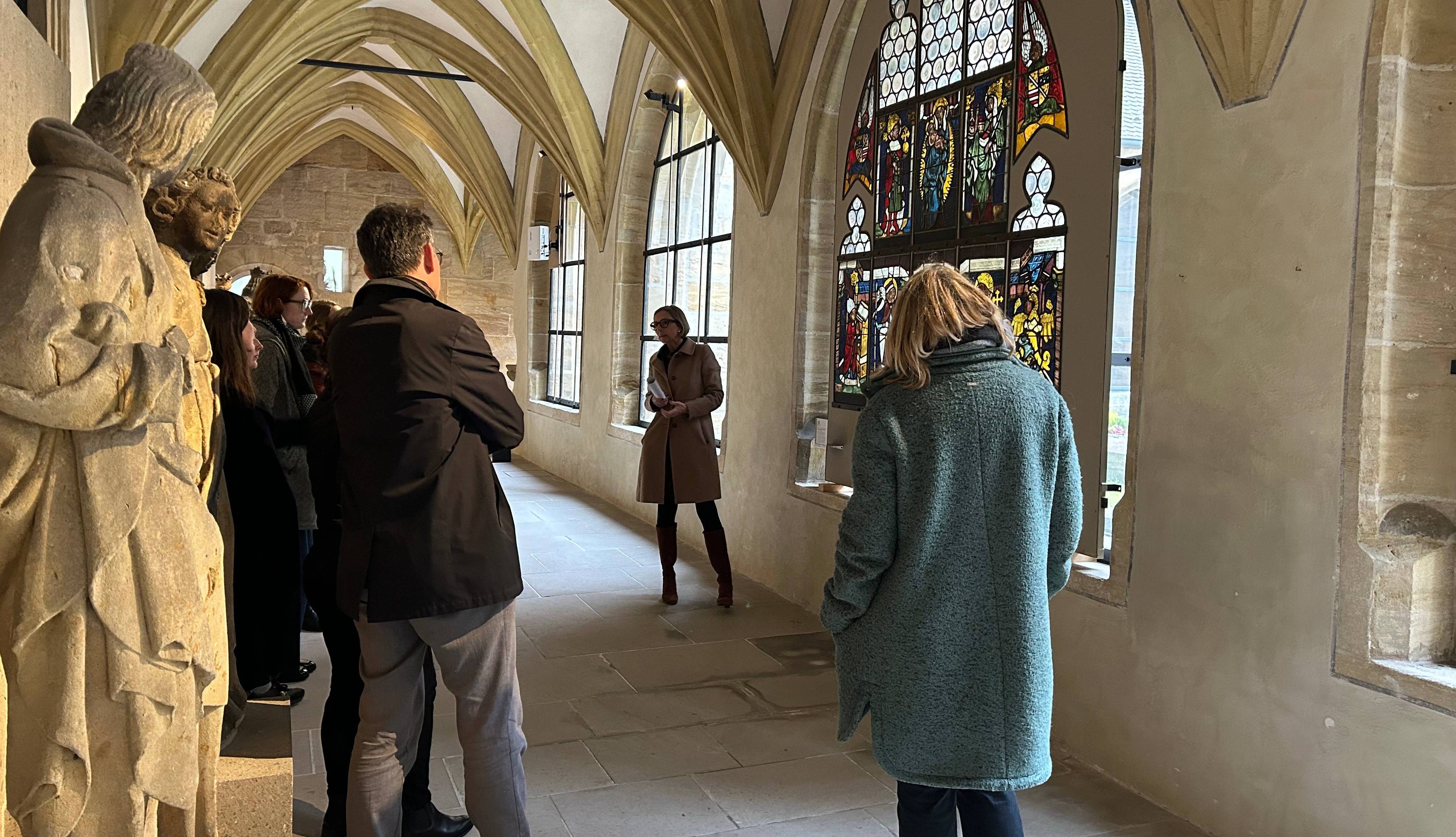
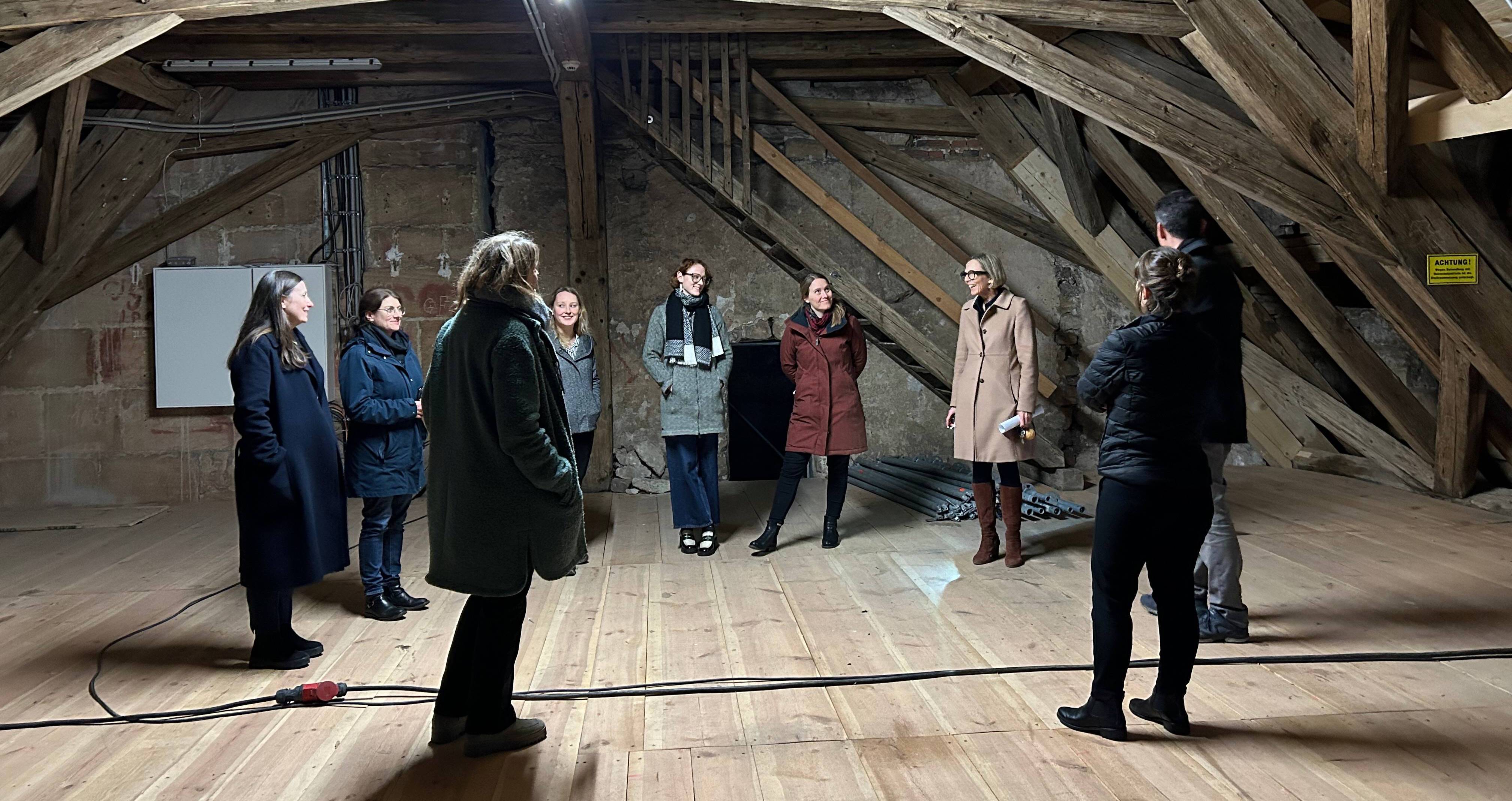
    The event concluded with a guided tour of the World Heritage Visitor Center, as well as a visit to the Andreas Chapel and the roof truss of Bamberg Cathedral.

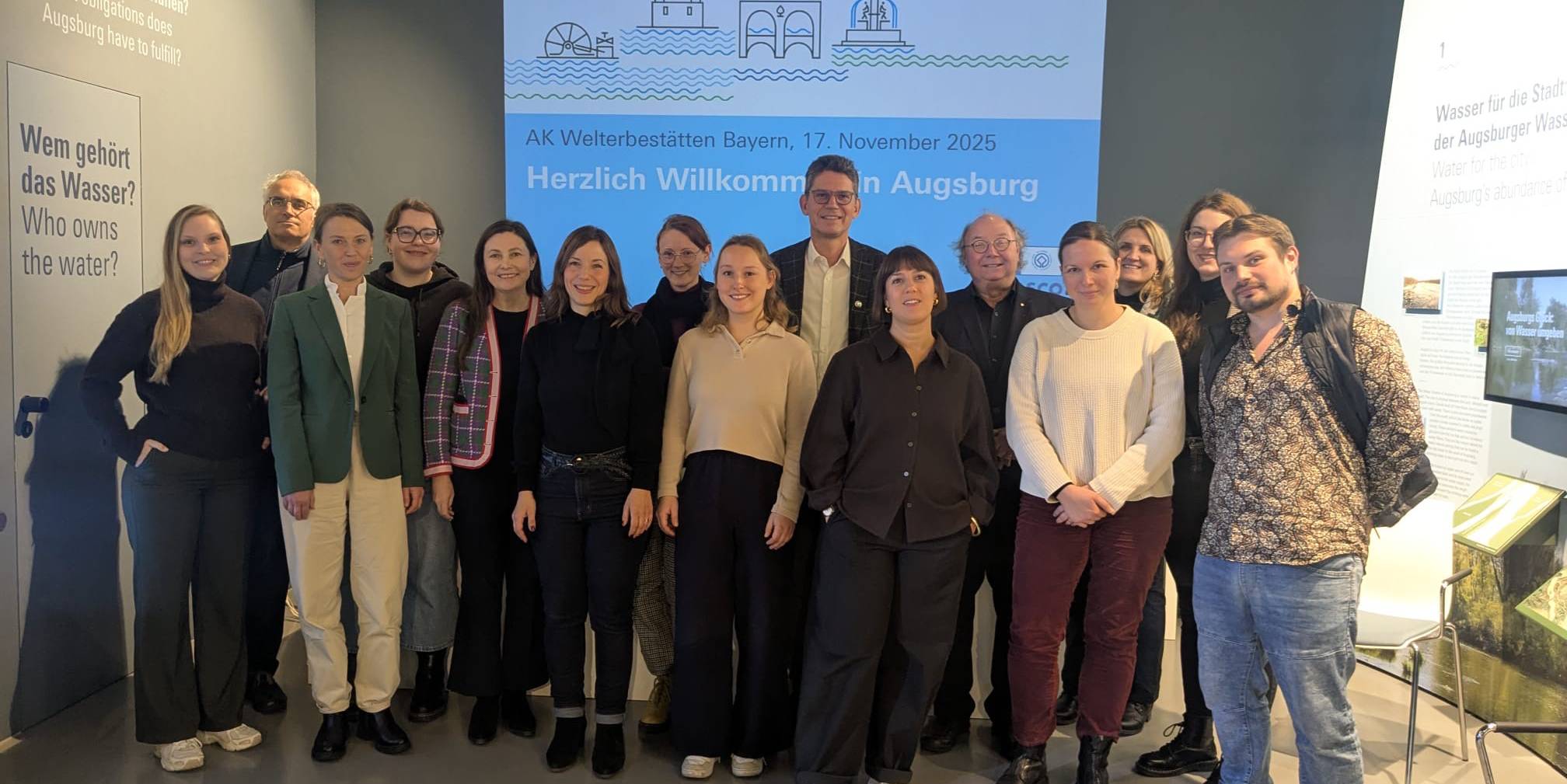
    Working Group on Bavarian UNESCO World Heritage Sites in Augsburg

    In November 2025, the Bamberg World Heritage Center participated in the meeting of the Working Group of Bavarian UNESCO World Heritage Sites in Augsburg.

    In addition to the Regional Action Plan for World Heritage in Europe and North America (2024–2031), current projects, experiences, and plans from the individual World Heritage sites were presented. Common challenges include renewable energy, World Heritage impact assessments, limited human resources, and, in some cases, unclear legal frameworks for World Heritage management.

    Working Group on UNESCO World Heritage Old Towns of the German Association of Cities

    The German Association of Cities’ Working Group on UNESCO World Heritage Old Towns is an association of German cities with historic old towns that have been recognized as UNESCO World Heritage sites. The working group’s goal is to address the specific needs of these unique urban areas and to ensure their protection, preservation, and sustainable development.

    The focus of its activities is on professional exchange on topics such as historic preservation, urban development, and tourism management, as well as the development of joint positions toward policymakers and administrative bodies. Furthermore, the working group serves as a platform for sharing experiences in addressing the specific challenges of World Heritage Old Towns—such as conflicts of use, visitor management, or climate adaptation—and for learning from one another.

    Members include cities such as Bamberg, Regensburg, Lübeck, Stralsund, and Wismar. Through their collaboration, they contribute to securing the cultural heritage of historic old towns in the long term while preserving vibrant, sustainable urban structures.

    raute_ak_welterbealtstdte.png
    img_2383_klein1.jpg

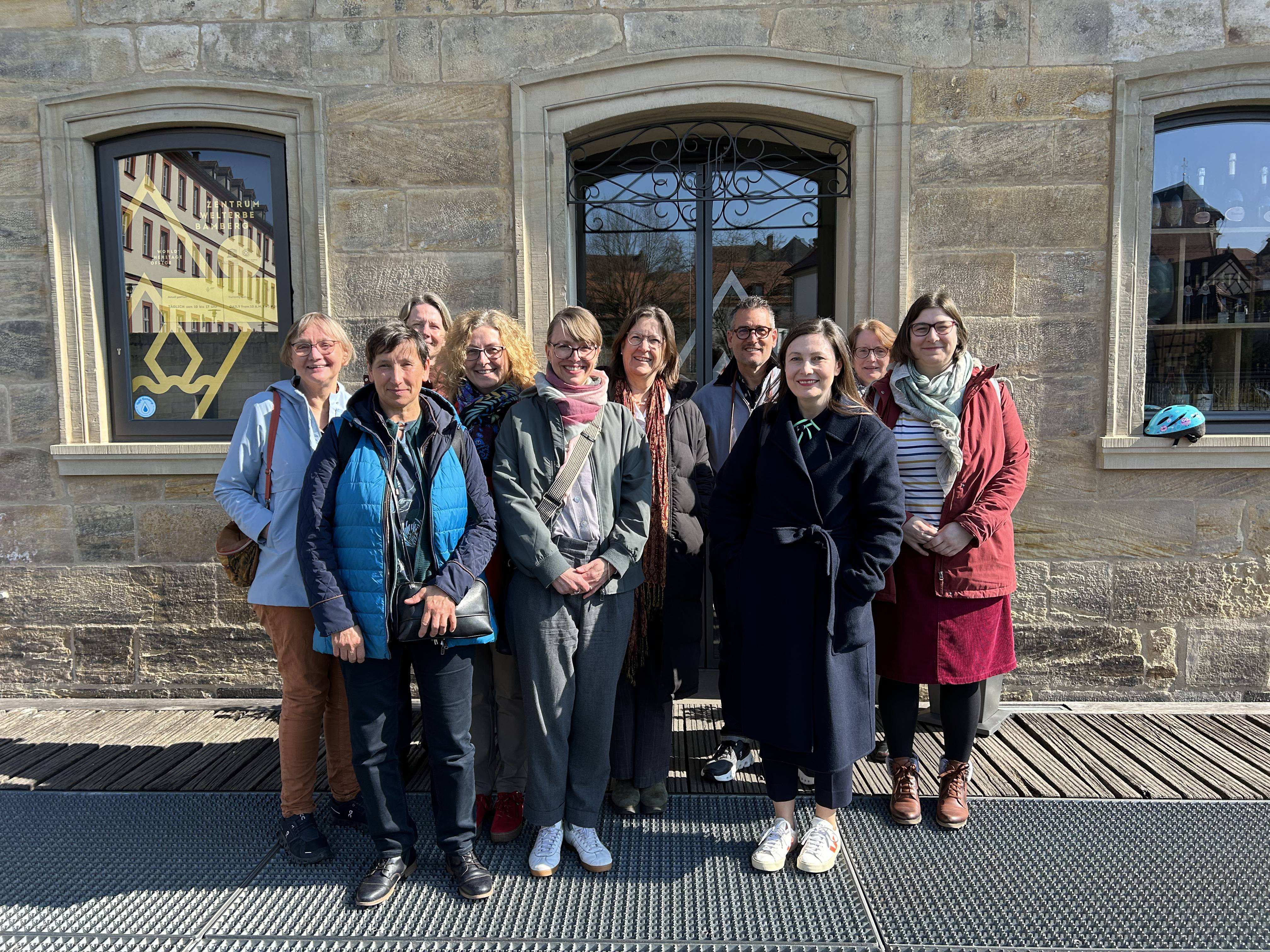
    Working Group on UNESCO World Heritage Old Towns of the German Association of Cities in Bamberg

    On March 18 and 19, 2025, the Bamberg World Heritage Center hosted the 32nd meeting of the Working Group on UNESCO World Heritage Old Towns of the German Association of Cities.

    Representatives from nearly all German World Heritage cities attended—more than ever before. Topics discussed included disaster management, World Heritage impact assessments, citizen participation, the use of renewable energy in historic urban areas, and innovative educational approaches. The high turnout underscored the importance of this format for the further development of municipal World Heritage management.

    Working Group on UNESCO World Heritage Old Towns of the German Association of Cities in Lübeck

    Another meeting of the working group took place in Lübeck in November 2025.

    The focus was on the new UNESCO guidelines on renewable energy in the context of World Heritage sites, as well as the regional World Heritage action plan. In addition, the cities reported on current developments and projects. Ms. Friederike Hansell, World Heritage Focal Point at the Federal Foreign Office, provided an update on new international developments. The meeting reaffirmed the working group’s role as a central forum for knowledge transfer and the joint positioning of Germany’s World Heritage old towns.
    raute-grau-big.png

    Foreign Office

    The Federal Foreign Office plays a central role in Germany’s UNESCO World Heritage system and represents Germany at the international level within UNESCO. It coordinates Germany’s positions on the World Heritage Convention and liaises with international partners.

    Through national networks, the Federal Foreign Office supports cooperation between the federal government, the states, and World Heritage sites. The goal is to ensure the protection and sustainable development of UNESCO World Heritage sites and to promote international exchange and cultural understanding.

    Site Managers' Forum at the Federal Foreign Office to Assess the Effectiveness of World Heritage Site Management

    Site Manager Forum at the Federal Foreign Office to Assess the Effectiveness of World Heritage Site Management
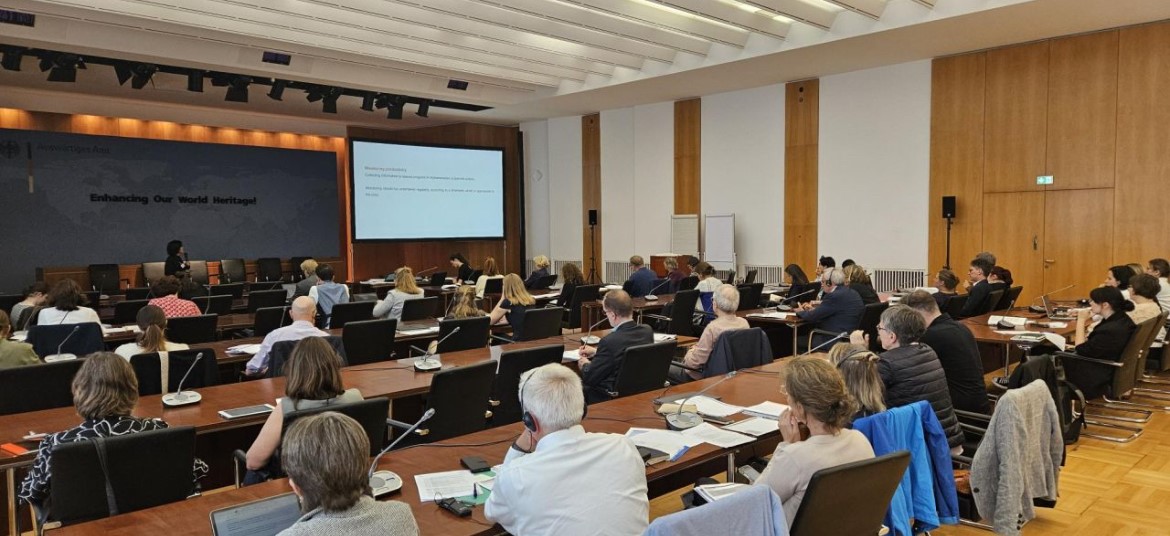
    On June 17 and 18, 2024, the Site Manager Forum and a workshop on assessing the effectiveness of World Heritage site management took place in Berlin. The workshop was organized by the Federal Foreign Office and brought together numerous World Heritage site managers from Germany. Bamberg was represented by Dr. Simona von Eyb.

    The focus was on the new publication “Enhancing Our Toolkit 2.0,” which was released in November 2023 by UNESCO and the advisory bodies of the UNESCO World Heritage Committee (ICCROM, ICOMOS, and IUCN). The handbook provides practical guidance for analyzing and optimizing management systems for World Heritage sites.

    Participants discussed topics such as World Heritage attributes, boundaries, buffer zones and the surrounding environment, governance structures, legal frameworks, monitoring, and sustainable management processes in interactive working groups. In addition, speakers provided insights into case studies from European World Heritage sites.

    The workshop offered site managers a valuable opportunity to exchange best practices and develop strategies for the effective and sustainable management of World Heritage sites.
    3aa-jun24.jpg