Hovermenü - EN

    UNESCO World Heritage

    Warum Welterbe?

    UNESCO World Heritage

    World Heritage is a complex, cross-cutting issue that touches on many aspects of urban life and activity. The Bamberg World Heritage Center serves as the central coordinating body for all matters related to World Heritage and oversees the implementation of the UNESCO World Heritage Convention at the local level.

    What is UNESCO?

    UNESCO World Heritage sites are places of Outstanding Universal Value. They hold significance not only for local or national communities, but for all of humanity. They are testimonies to our existence on this planet, and their safeguarding for future generations is the responsibility of the entire international community.

    The UNESCO World Heritage Convention was adopted in 1972 and remains one of the most successful international instruments for the protection of cultural and natural heritage worldwide. The special feature of the Convention is the recognition of the close connection between culture and nature. This is why the correct term is “World Heritage” rather than “World Cultural Heritage”.

    A site can only be inscribed as World Heritage if it meets at least one of the ten criteria, satisfies the conditions of authenticity and integrity, and has an effective management system in place to ensure its long-term protection.

    World Heritage - What does this mean?

    UNESCO-Welterbestätten sind Orte von außergewöhnlichem universellem Wert. Sie besitzen also eine Bedeutung nicht nur für lokale oder nationale Gemeinschaften, sondern für die gesamte Menschheit. Sie sind Zeugnisse unserer Geschichte auf diesem Planeten und ihre Erhaltung für zukünftige Generationen liegt daher in der Verantwortung der gesamten Völkergemeinschaft.

    Die UNESCO-Welterbekonvention wurde 1972 verabschiedet und ist bis heute eines der erfolgreichsten internationalen Schutzinstrumente für Kultur- und Naturerbe weltweit. Die Besonderheit der Konvention liegt in der Anerkennung der engen Verbindung von Kultur und Natur. Der korrekte Begriff lautet deshalb „Welterbe“ und nicht „Weltkulturerbe“.

    Eine Stätte kann nur dann Welterbe werden, wenn sie mindestens eines von zehn Kriterien erfüllt, authentisch und intakt ist und über ein wirksames Managementsystem zur langfristigen Erhaltung verfügt.

    Can a World Heritage site lose its UNESCO status?

    The loss of the World Heritage title is rare but possible if the Outstanding Universal Value of a site is permanently damaged. Before this happens, UNESCO follows several steps:

    The condition of the site is assessed and evaluated by the World Heritage Committee, which may issue recommendations and requirements, or provide technical and financial support. If the situation worsens, the site may be placed on the List of World Heritage in Danger. Only if no improvement occurs despite all measures can the title be permanently withdrawn. This process usually takes several years. Examples of sites that have lost their World Heritage status include the Dresden Elbe Valley, Liverpool, and the Arabian Oryx Reserve in Oman.

    Why is Bamberg World Heritage?

    Die „Altstadt von Bamberg“ wurde am 11. Dezember 1993 in Cartagena, Kolumbien in die UNESCO-Welterbeliste aufgenommen. Sie ist ein einzigartiges und hervorragend erhaltenes Beispiel einer mitteleuropäischen Stadt, die sich auf einer mittelalterlichen Grundstruktur entwickelt hat. Damit gilt Bamberg als bedeutendes Zeugnis der menschlichen Siedlungsgeschichte. Die harmonische Entwicklung über die Jahrhunderte hinweg spiegelt wesentliche Phasen der europäischen politischen, sozioökonomischen und kulturellen Geschichte wider.

    Das bedeutet: Zum Welterbe gehören nicht nur monumentale Denkmäler, sondern die gesamte Stadtlandschaft, inklusive Straßen, öffentliche Räume, Wohnhäuser, Wasserwege, Naturelemente, Versorgungsstrukturen oder kulturelle Traditionen, die bis heute sichtbar und prägend geblieben sind.

    How large is the World Heritage site in Bamberg and which districts are included?

    The World Heritage site “Town of Bamberg” covers approximately 142 hectares and also includes a buffer zone for additional protection. It consists of three historic districts: the Hill District, the Island District, and the Gardeners’ District. Together, they form the Outstanding Universal Value of Bamberg’s World Heritage.

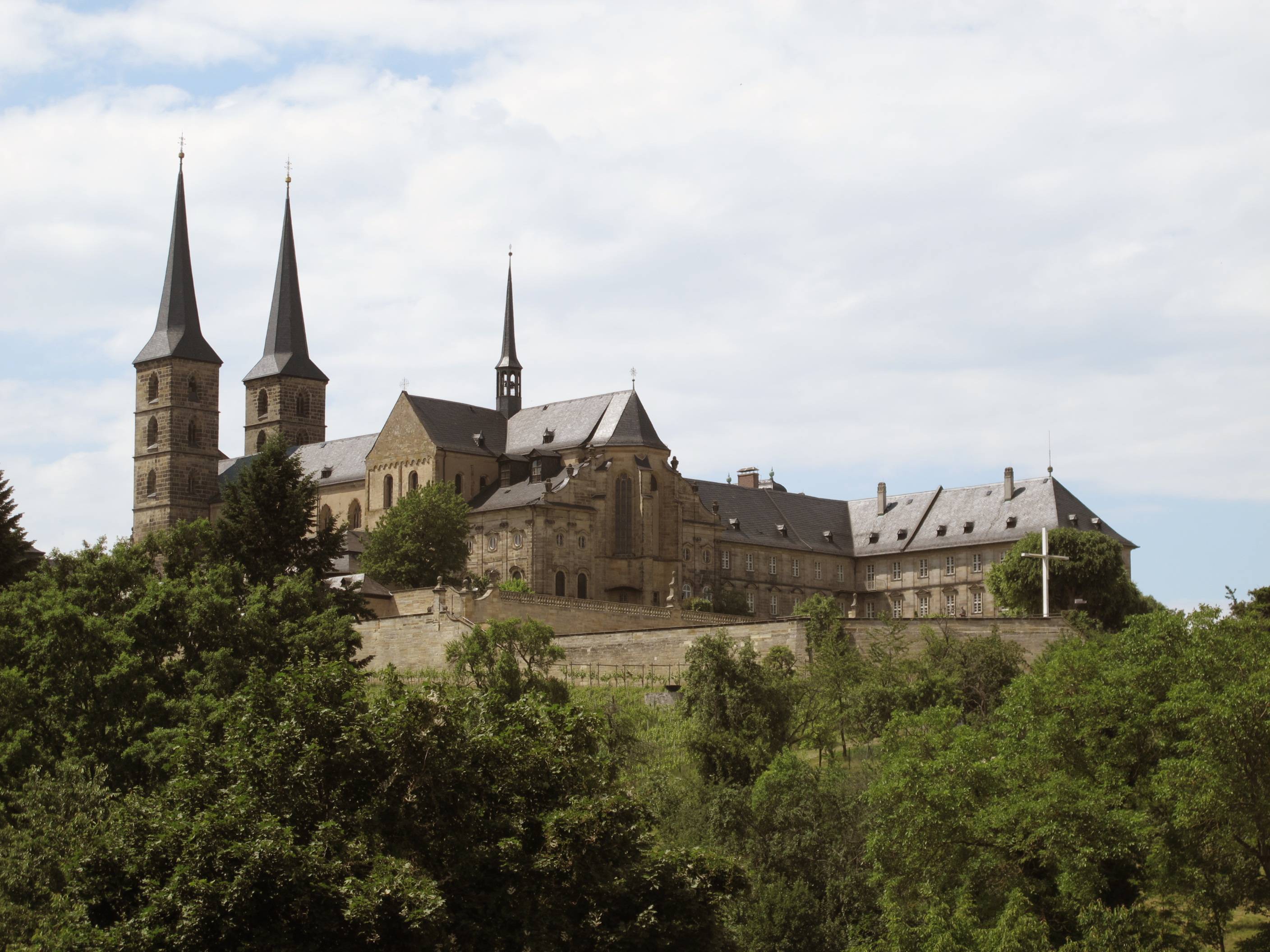
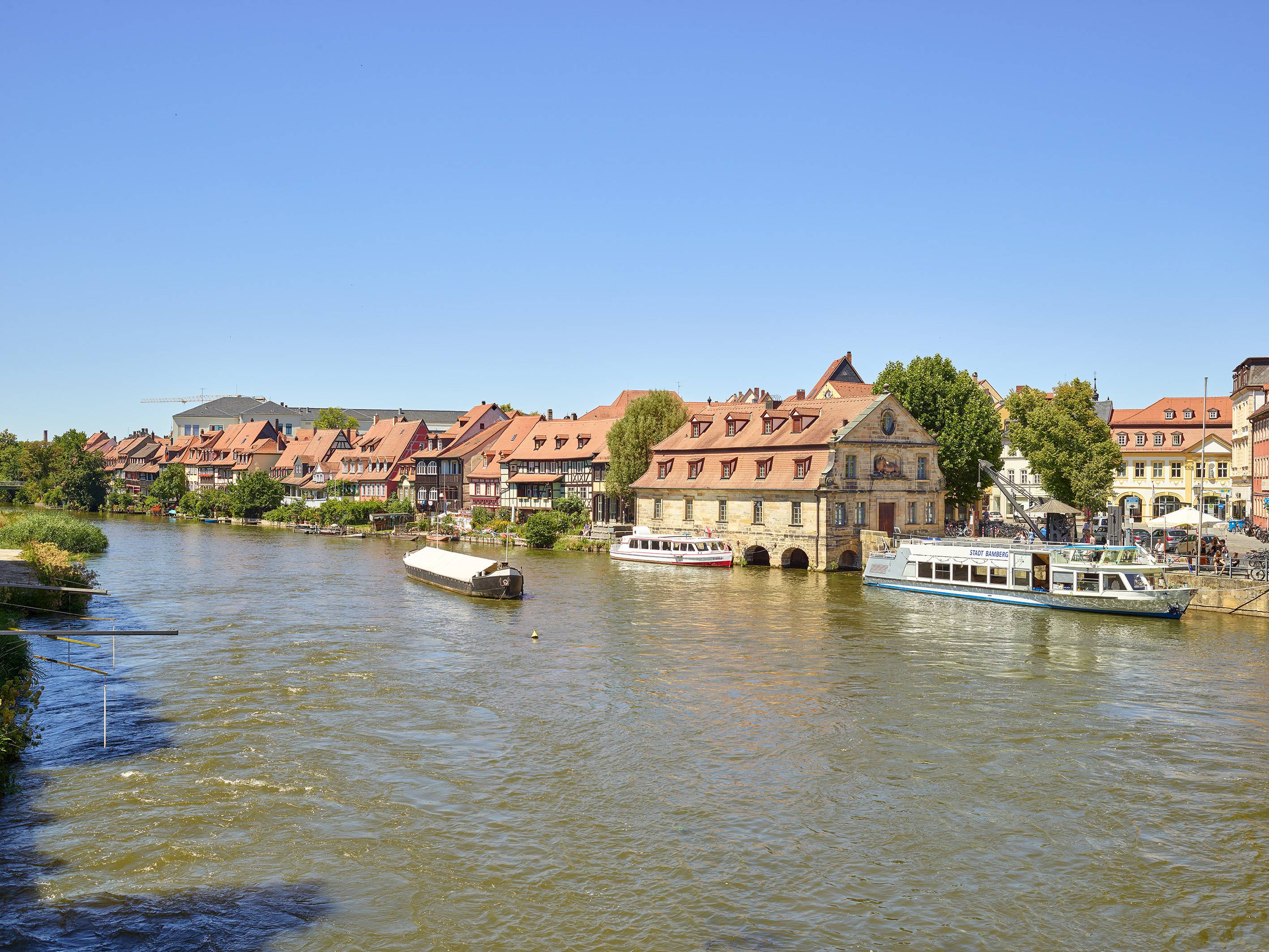
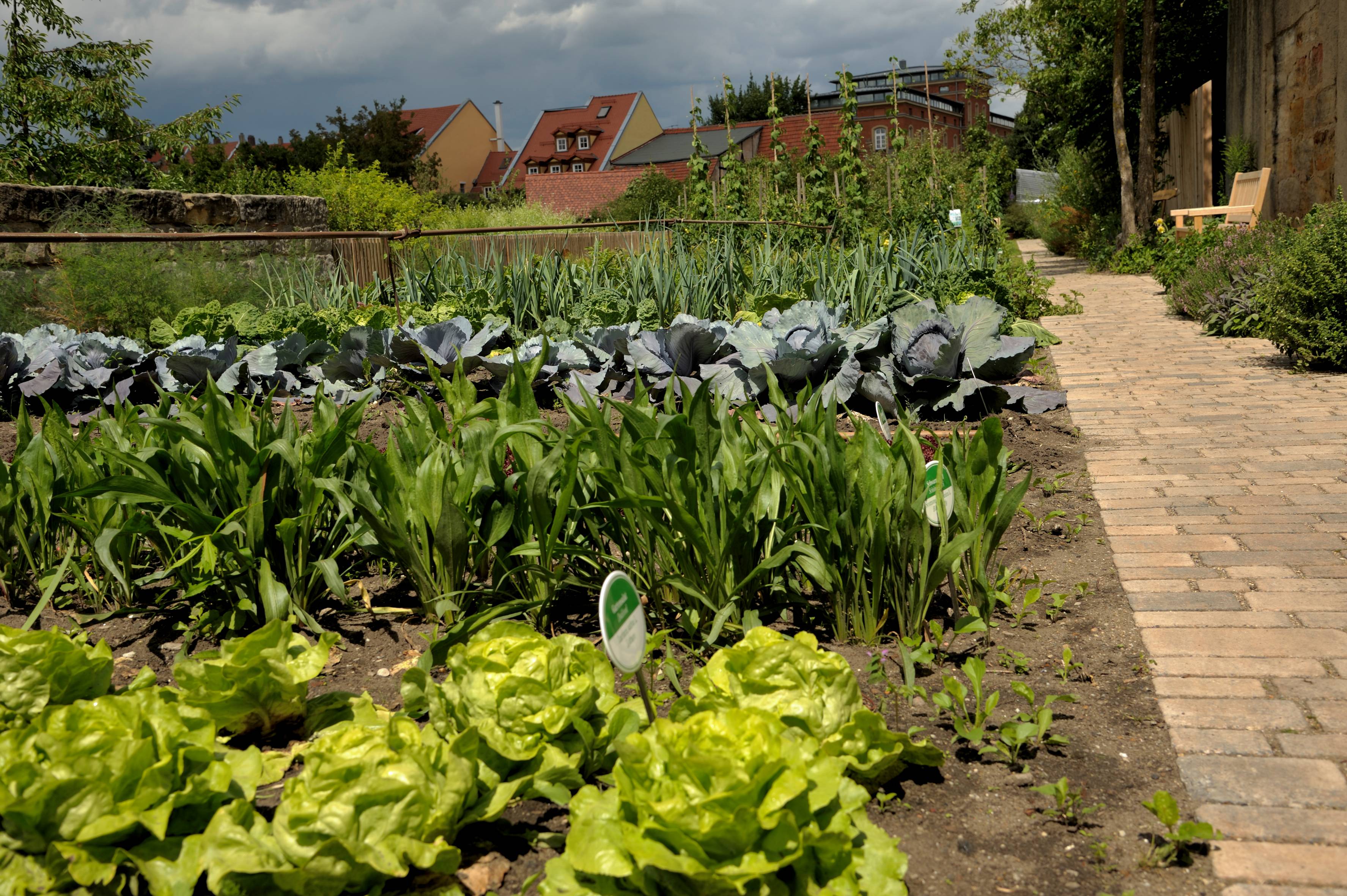
    In 1007, Emperor Henry II founded a bishopric in Bamberg, intending it to become a “second Rome” in Franconia. For more than 800 years, the Hill District served as Bamberg’s spiritual and political centre, as reflected in the dense concentration of sacred architecture – in the Bamberg Cathedral as well as in churches and monasteries such as St. Michael, St. Stephan and St. Jakob. The Island District tells the story of trade and civic self-assertion. From the 14th century onwards, a strong bourgeoisie developed a lively urban centre here, with public institutions such as the Old Town Hall, markets, and typical artisan houses. The Gardeners’ District forms the “green roots” of the city and has preserved the tradition of urban gardening since the Middle Ages, which remains alive in Bamberg today.

    What obligations come with Bamberg’s World Heritage title?

    The World Heritage title brings not only significant international recognition, but also the conscious responsibility of the city of Bamberg to ensure the conservation of the World Heritage site in its substance and value, and to transmit it to future generations. For this reason, it is especially important that all actors from the public and private sectors communicate regularly and work closely with the Bamberg World Heritage Office.

    In the case of major development or construction projects, the city must inform the World Heritage Committee via the Secretariat in Paris, so that these measures can be carried out in a way that is compatible with World Heritage and preserves the site’s Outstanding Universal Value. Carrying out a World Heritage impact assessment is often recommended.

    Who is responsible for managing the World Heritage site in Bamberg and what are their tasks?

    The Bamberg World Heritage Office coordinates World Heritage management in Bamberg. The goal is to preserve the Outstanding Universal Value of the World Heritage site while also promoting the sustainable development of the city.

    World Heritage management relies on the collaboration among numerous stakeholders within the city. The tasks of World Heritage management are complex and go far beyond the traditional focus on monument preservation. These include not only the protection and conservation of historical heritage, but also sustainable urban development, climate measures, education and interpretation, international cooperation, and the strengthening of the World Heritage’s role in public life. That’s why the role of the World Heritage manager could be compared to a Swiss army knife!

    Who is responsible for funding World Heritage management in Bamberg?

    The city of Bamberg bears the financial responsibility for implementing the UNESCO World Heritage Convention at the local level. The regular activities of World Heritage management are funded through the city budget. Ensuring the necessary resources for these diverse tasks often remains a challenge. UNESCO does not provide financial support to German World Heritage sites.

    Particularly important for Bamberg is the so-called “Bamberg Model”. It provides guidance and financial support to property owners for the renovation of historic buildings. The programme is administered by the Bamberg World Heritage Foundation, which is an important partner for heritage conservation measures and cultural projects in the city.

    Is Bamberg’s cultural heritage also recognised by other UNESCO programmes?

    In addition to the World Heritage Programme, UNESCO has developed further instruments for the protection of cultural heritage. These include the Intangible Cultural Heritage programme, which promotes the safeguarding and transmission of living heritage such as knowledge, traditions, and crafts, and the Memory of the World Programme, which protects significant documents held in archives, museums, and libraries.

    The Bamberg cathedral construction workshop tradition (Bauhüttenwesen) is listed in UNESCO’s International Register of Good Safeguarding Practices for Intangible Cultural Heritage. The inner-city gardening in Bamberg was included in the German National Inventory of Intangible Cultural Heritage in 2016.

    The Bamberg State Library preserves two important documents recognised by the Memory of the World Programme: the Lorsch Pharmacopoeia (the oldest medical book of the Western Middle Ages) and two outstanding illuminated manuscripts from Reichenau - the “Bamberg Apocalypse” and the “Commentary on the Song of Songs and the Book of Daniel”.

    Why do we protect World Heritage?

    Living in a World Heritage site means being part of something greater than ourselves – a place of significance for all humanity. This brings pride, but above all a sense of responsibility. By protecting World Heritage, we preserve our collective memory and enable future generations to experience these special places.

    World Heritage sites are an important source of inspiration. The fact that they have endured for centuries or even millennia is no coincidence. They are testimonies to human resilience and provide models for sustainable development. Their materials, building techniques, urban structures, and forms of land use contain knowledge that is still relevant for our present and future - especially in times of change.

    World Heritage therefore has profound social value. It shapes livable places, fosters identity, and sharpens our awareness of beauty. Above all, it connects people across cultural and national boundaries, strengthens a sense of belonging and community, and thus creates an important foundation for peace and understanding.